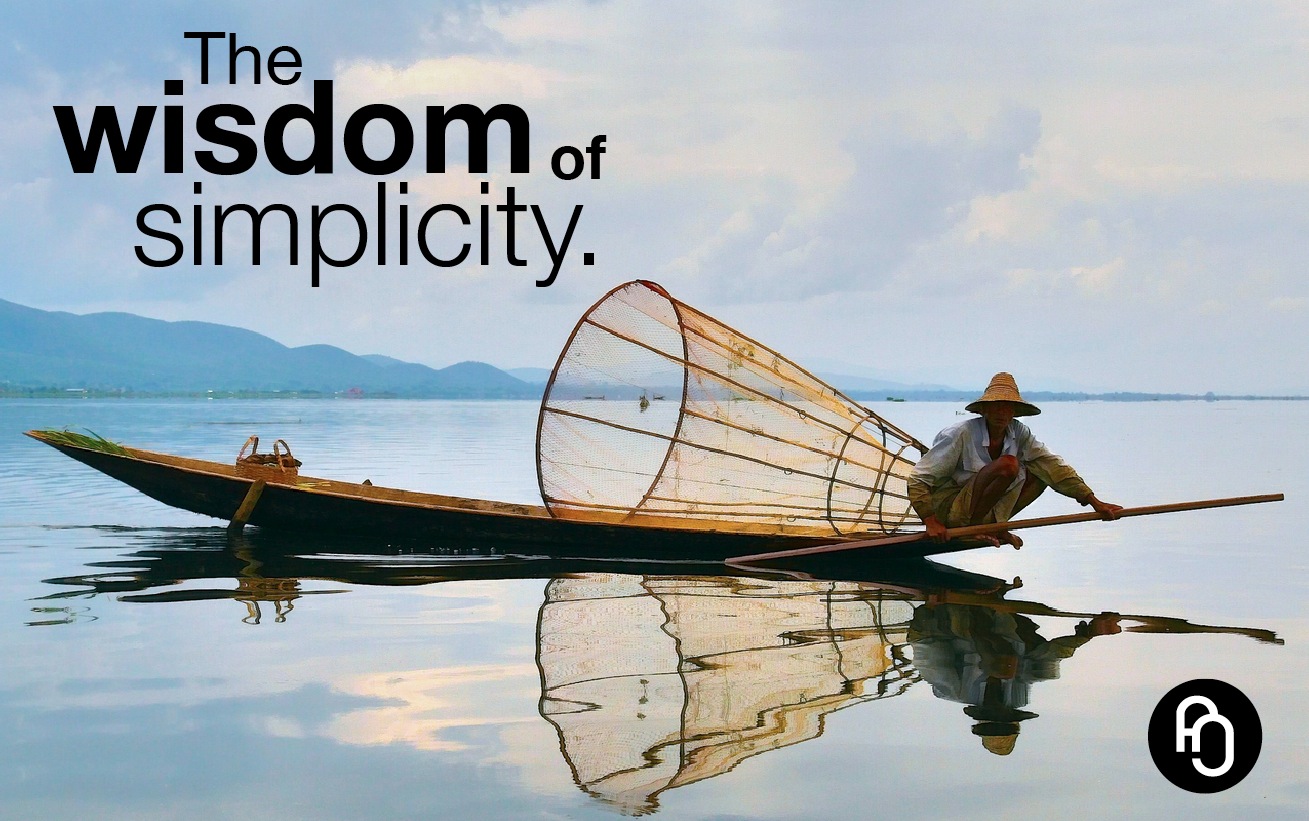
At the end of the day, inner peace is what we all seek. It’s the motivation behind all our actions, although sometimes hidden or disguised. On Wikipedia, inner peace is explained as follows: (…) Inner peace (or peace of mind) refers to a state of being mentally and spiritually at peace, with enough knowledge and understanding to keep oneself strong in the face of discord or stress. Being “at peace” is considered by many to be healthy (homeostasis) and the opposite of being stressed or anxious. Peace of mind is generally associated with bliss, happiness and contentment (…). Now who doesn’t want that, right? And so we all go out and about to do things that hopefully will give us this sense of inner peace. This makes me wonder. Why do we go out, to find inner peace? In my desire for inner peace I often find myself running after things, people and circumstances, all of which are outside myself. I then remind myself that inner peace can only be found within. Otherwise it’d be called outer peace. I immediately feel this sense of light, calm and warmth. I no longer need to run, I can relax in knowing that all I desire lies within me. It’s already there, patiently waiting for me to be discovered.
A lovely video and clear message: happiness is… free infinite energy. Enjoy this burst of visual poetry, that originally was created for a site-specific outdoor projection project in Beacon, NY, USA.

In life, we’re constantly chasing happiness. Yet whatever we achieve, the feelings it brings – happiness, gratitude, joy, bliss, pride – inevitably fade with time. Daily life takes over. What once felt extraordinary becomes normal, then burdensome: something to maintain, something that frustrates us and ultimately pushes us to want something different, more, or better. And so the cycle repeats. We chase, we reach, we feel satisfied. But for how long? Because with time, the satisfaction fades, restlessness returns, and once again we desire change. Perhaps the problem isn’t that happiness escapes us, but that we keep placing it just ahead of where we stand. This way, we risk spending our entire lives chasing happiness—without ever really catching it. Instead, if we learn to be happy with what we already have, regardless of what it is or where we are, we free ourselves from the chase and we can start being truly happy.

Search the web and you’ll find thousands of ‘rules’, ‘laws’, ‘lists’, ‘tips’ and ‘tricks’, ‘steps’ and ‘guides’, all elaborating on happiness and how to attain it. Why? Because more than anything else, happiness is what we’re after. Wikipedia says: ‘Happiness is a mental or emotional state of well-being characterized by positive or pleasant emotions ranging from contentment to intense joy’. So sure, who doesn’t want that? But nowadays, the pursuit of happiness in many parts of the world often drives people to unhappiness. Why? Because we tend to mistake having success for being happy: as long as we’re not successful, it’s hard – if not impossible – to feel happy. We’ve come to believe that to be happy, we need a reason. Like winning the lottery, chilling on a tropical beach, being madly in love etc.. We depend on external references like things, people, conditions and achievements to confirm our happiness. And although that’s understandable, the important question is: do we really? Do we really need a reason to be happy? The answer is: NO! Happiness is not reserved to those with a good reason. How could it, when a good reason for one person, means nothing to another? Happiness needs no cause. Everybody is free to be happy for whatever reason or no reason at all.